 goodword
Why sweet-heat menu items are showing up on Texas and BC menus — and how to price them
Gen Z wants familiar food with a sharp little kick. That means hot honey, gochujang, peri-peri, and drink add-ons that look good and cost little to make.
The short version
- Gen Z is gravitating to familiar dishes with bold sweet-heat sauces and clear customization.
- Hot honey, gochujang, peri-peri, and harissa fit Texas comfort food and BC café menus without a full menu rebuild.
- Sauce-led premiumization is usually safer than adding more protein, which helps protect margin.
What this trend is
The clearest Gen Z menu trend right now is sweet-heat customization.
That means familiar food and drinks with a bold finish:
- hot honey on brisket, chicken, biscuits, pizza, or fries
- gochujang or harissa in wraps, bowls, and sauces
- peri-peri on breakfast burritos or sandwiches
- chile-lime or mango-jalapeño drinks
- a clear heat ladder: mild, sweet heat, hot, extra hot
This works because it keeps the base item familiar. The sauce does the work.
For an owner, that matters. A sauce add-on can make a $14 item feel new without turning the kitchen upside down.
Why it is surging
The research lines up on three things.
First, menu growth is moving toward unexpected flavors and customizable meals. Technomic says hot honey, gochujang, and harissa have moved into the mainstream, and that bold flavors and customization are a real menu direction for Canada too.
Second, younger guests are driving drink occasions. The National Restaurant Association says Gen Z and millennials are a big part of beverage-only visits, and they want more flavor-forward nonalcoholic drinks like teas, lemonades, smoothies, juices, and coffee drinks.
Third, Gen Z does not always order food exactly as listed. Datassential reports that only 20% of Gen Z order menus exactly as written. That is a strong sign they want builds, swaps, and add-ons rather than one fixed plate.
Your TikTok sample in Texas fits this too. The posts are heavy on BBQ, tortillas, burritos, oversized comfort food, and bakery treats. Sweet-heat is a natural next step because it upgrades food people already want.
What to put on the menu
For Texas and BC restaurants and cafés, the best version of this trend is not a full menu overhaul. It is a small platform.
Good fits
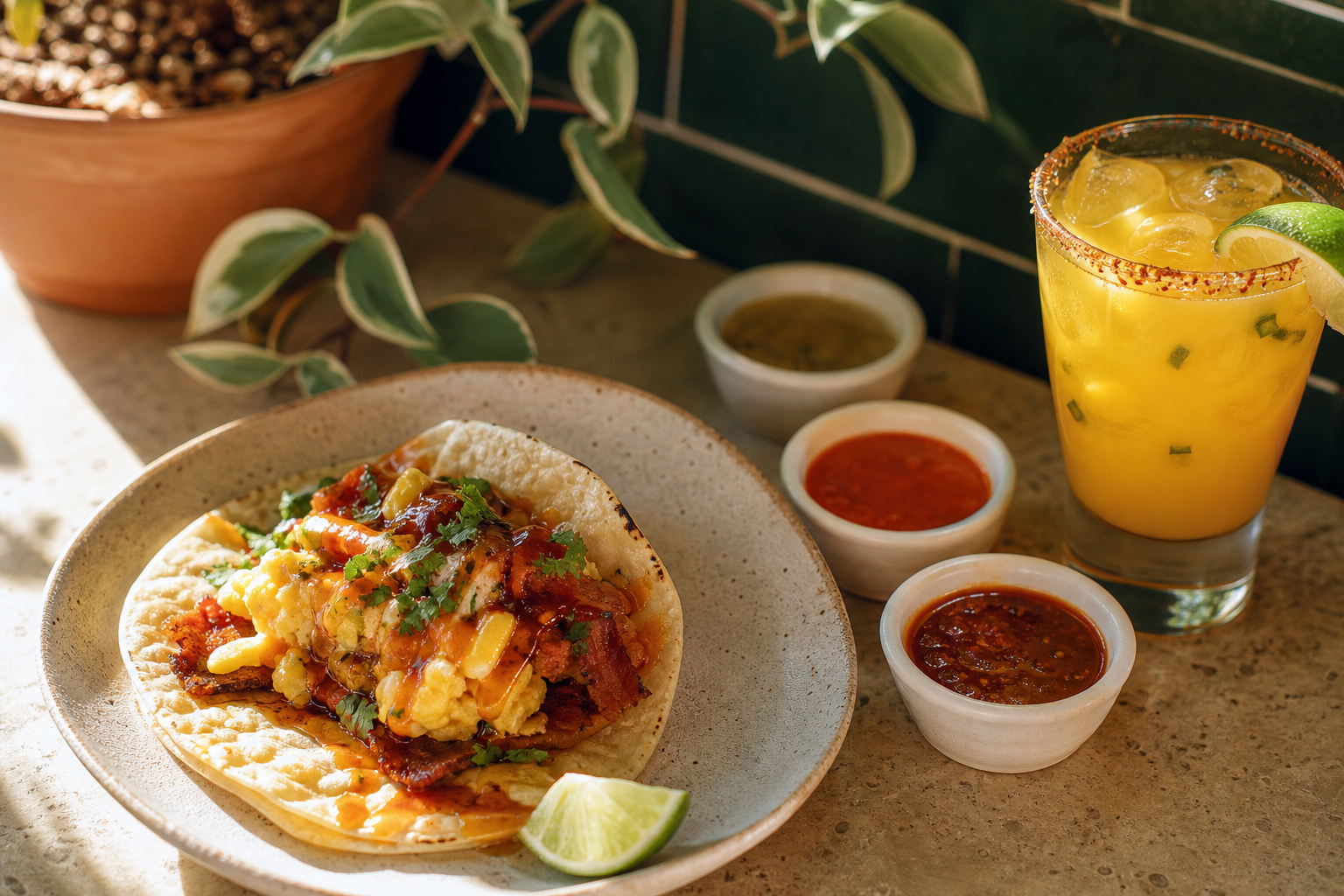
- Hot honey brisket breakfast taco
- Gochujang BBQ chicken wrap
- Peri-peri breakfast burrito
- Hot honey lemonade
- Strawberry-chile iced tea
- Mango-jalapeño agua fresca
The common thread is simple. Bold flavor. Fast build. Low waste. Easy upsell.
Simple recipe: Hot Honey Brisket Breakfast Taco
This is a clean Texas item with enough Gen Z energy to matter.
Ingredients for 10 tacos
- 10 flour tortillas
- 1.2 kg chopped smoked brisket
- 10 eggs, scrambled
- 250 g shredded cheddar or jack
- 150 g pickled red onions
- 120 g hot honey
- 60 g jalapeño slices
- cilantro, optional
- salt and pepper
Method
- Warm the tortillas.
- Reheat the brisket with a little stock.
- Soft-scramble the eggs.
- Fill each tortilla with egg, brisket, and cheese.
- Top with pickled onions and jalapeños.
- Finish with a small hot honey drizzle.
Origin story
Hot honey took off because it sits between two things people already know: sweet honey and chili heat. Mike’s Hot Honey says founder Mike Kurtz discovered chili-infused honey in Brazil, then served a version on pizzas in Brooklyn before commercializing it. That is the sort of backstory Gen Z likes. It feels familiar, but not boring.
The breakfast taco side is pure Texas. That makes the item easy to understand in Texas. In BC, it reads as a smart brunch special or all-day café item.
Margin-safe pricing framework
The goal is to price the item as an add-on platform, not a commodity taco.
Use this simple logic:
- base food cost target: 28% to 32% for a signature item
- sauce add-on cost should stay tiny
- premium drink add-ins should raise perceived value more than ingredient cost
- avoid adding a lot more protein just to look generous
Example pricing table
| Item | Estimated food cost | Suggested menu price | Food cost % |
|---|---|---|---|
| Hot honey breakfast taco | C$2.10–2.60 | C$6.50–8.50 | 25%–32% |
| 2-taco plate | C$4.40–5.50 | C$13.50–17.00 | 26%–32% |
| Chicken wrap with sweet-heat sauce | C$3.20–4.20 | C$14.00–19.00 | 17%–30% |
| Loaded fries with sweet-heat drizzle | C$2.00–3.00 | C$12.00–17.00 | 12%–25% |
| Specialty lemonade or agua fresca | C$0.90–1.40 | C$5.50–7.50 | 12%–25% |
| Iced coffee or matcha with flavor build | C$1.10–1.80 | C$6.50–8.50 | 13%–28% |
The numbers above are a practical pricing range, not a published market average. The point is to keep the sauce-led item profitable even if meat and dairy costs move.
Why drinks matter here
Drinks are the quiet profit piece.
Technomic says beverage is one of the most dynamic growth areas. The National Restaurant Association says younger guests are driving beverage-only occasions. That means a café can turn the trend into traffic with one good cold drink.
Good drink ideas for this trend:
- hot honey iced latte
- mango-jalapeño agua fresca
- strawberry-chile lemonade
- brown sugar-cayenne cold brew
These drinks are useful because they are visual, easy to photograph, and usually cheaper to build than another protein item.
How to test it in one week
You do not need to commit hard.
Start with three things:
- One sweet-heat food special.
- One drink with a bold flavor add-on.
- One clear heat ladder on the menu.
Then watch:
- attach rate for the sauce or drizzle
- drink sales after launch
- waste on the sauce prep
- repeat orders from regulars
If the item sells but the food cost is ugly, the problem is usually portioning, not the trend.
Bottom line
Gen Z is looking for familiar food with bolder flavor, a bit of heat, and room to customize. In Texas and BC, that makes sweet-heat one of the safest menu bets right now, especially when you build it around sauces and drinks instead of expensive extra protein.
If you want to know whether the new item is actually making money, goodword’s POS and inventory tracking can show you the sales, the waste, and the real margin behind it.
Questions owners ask
What is sweet-heat on a restaurant menu?
It is food or drinks built around a sweet-and-spicy finish, like hot honey, gochujang, peri-peri, or chile-lime sauce.
Why does Gen Z like customizable menu items?
The research shows Gen Z likes novelty, but they also want to make the item their own. That usually means sauce choices, heat levels, and add-ons.
How do I price a hot honey special without killing margin?
Keep the sauce cost low, aim for a 28% to 32% food cost on the signature item, and use drinks or add-ons to raise the average check.
Sources
- State of the Menu
- What Will Thrive in 2025
- Research Reports | National Restaurant Association
- Newsletter | Datassential Foodsur
- By The Numbers: Datassential's 2025 Year in Review | Datassential
- Our Story - Mike's Hot Honey
- Food Price Data Hub
- An Analysis of the 2025 Consumer Price Index Basket Update, Based on 2024 Expenditures
- The Daily — Consumer Price Index, December 2025
- What Will Thrive in 2025
- The Liquid Revolution
- Aguas frescas con fruta mexicana, un oasis de sabor | Secretaría de Agricultura y Desarrollo Rural | Gobierno | gob.mx
Test a sweet-heat special that actually pays
Build one sauce-led menu item, one drink, and one heat ladder. Then use your POS and inventory to see if the trend sells and what it costs you.
Start setup →