 goodword
Why lobster rolls are showing up on Vancouver menus — and how to price them
A lobster roll looks simple. It is. That is also why it can work as a premium special if you keep food cost tight and watch the margin.
The short version
- Lobster rolls are getting local traction in Vancouver social posts, especially around value specials and lineups.
- The item works because it feels indulgent, but it is easy to execute with a short ingredient list.
- A mid-to-high $20s menu price is a reasonable starting point, but only if your food cost stays under control.
Lobster rolls are a small item with a big signal
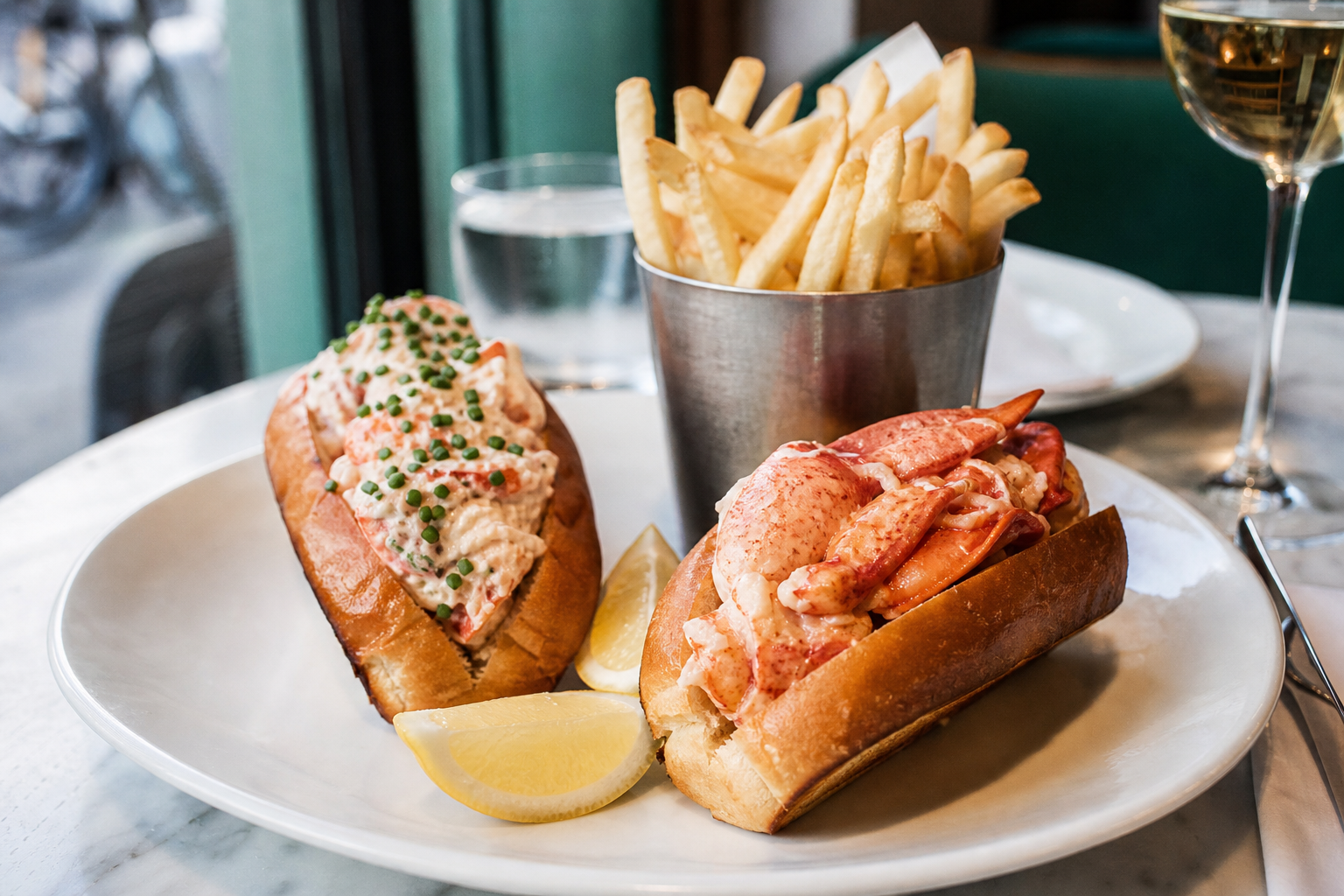
A lobster roll is a simple seafood sandwich. Picked lobster meat. Toasted bun. Mayo and lemon for the Maine style, or warm butter for the Connecticut style. That is the whole play.
In Vancouver, the item is showing up in a very specific way. Recent TikTok posts in the local food feed called out “$13 lobster rolls” on Thursdays and another post framed a spot as the “best lobster spot in Metro Vancouver.” That is not broad seafood chatter. That is a named item getting attention.
That matters for owners. Lobster rolls sit in the sweet spot between treat and lunch. They feel premium, but they are still a handheld. Guests know what they are looking at in one second.
Why lobster rolls are surging now
There are three reasons this item is getting pulled into menus and specials.
1) It fits the “affordable luxury” lane
Restaurant trade coverage has treated lobster rolls as a growing menu item for years because they deliver luxury cues in a simple format. Nation’s Restaurant News reported lobster rolls were on 52% more menus than four years earlier in a Datassential MenuTrends snapshot. That is a strong sign that operators keep finding room for them.
This is the same logic Vancouver diners are responding to now. A lobster roll feels special without being a full lobster plate.
2) It works on camera
A lobster roll photographs well. Bright meat. Toasted bun. Clean plating. Short video likes items that are easy to understand fast.
Your local social evidence backs that up. The posts that got attention were not generic seafood reviews. They were about a lobster roll deal and a best lobster spot. That is the kind of detail that moves people to save a post or make a plan.
3) Vancouver can source it without too much friction
The Lobster Man offers wholesale service and daily delivery in Vancouver and Richmond. That lowers the barrier for restaurants testing a special or putting lobster on a short seasonal run.
If a trend is hard to source, it stays a TikTok idea. If it is easy to buy, it becomes a menu item.
What a lobster roll is, exactly
There are two classic styles.
- Maine style: chilled lobster meat with mayo, lemon, salt, pepper, and chives.
- Connecticut style: warm lobster meat dressed with melted butter.
Both use the same basic structure. Lobster, bun, and a light dressing. The key is restraint. Lobster rolls are not meant to be overloaded.
A simple recipe you can actually run
Maine-style lobster roll
Ingredients per roll
- 4 oz lobster meat
- 1 split-top bun or similar hot-dog-style roll
- 1 to 2 tbsp mayo
- A squeeze of lemon
- Salt and black pepper
- Chives
- Butter for toasting the bun
Method
- Mix the lobster with just enough mayo to bind.
- Add a little lemon, salt, pepper, and chives.
- Butter and toast the bun.
- Fill with the lobster mix and serve right away.
Connecticut-style variation
- Warm the lobster meat gently in butter.
- Toast the bun.
- Fill and finish with a little lemon.
That is all you need. No complicated prep. No long sauce build.
The origin story in plain English
The lobster roll has two main origin threads.
CTvisit says the warm buttered version is tied to Perry’s in Milford, Connecticut, with dates cited as 1929 or 1934 in different pages. National Geographic adds that the sandwich likely evolved from fishermen and maritime workers using lobster in bread, and that the modern split between Connecticut hot-buttered and Maine cold-mayo styles came later.
The short version: the lobster roll grew out of New England working-food logic. Simple. Portable. Good with your hands.
How to price it without guessing
This is where a lot of operators get hurt. Lobster rolls can sell well and still lose money if the portion is loose or the price is too cute.
The Vancouver pricing signal is clear enough to build from:
- Social posts point to a $13 promo lobster roll on Thursdays.
- That suggests a regular price around $26 if the post is accurate.
- Trade coverage shows lobster rolls sit in premium sandwich territory.
- The Lobster Man’s visible pricing shows lobster is not a cheap input.
Use a simple target:
- Food cost target: 28% to 32%
- Promo target: only go lower if the offer is driving real repeat traffic
Sample pricing table
| Lobster meat cost per roll | Bun, garnish, butter/mayo | Total food cost | 30% target menu price | 32% target menu price |
|---|---|---|---|---|
| $9.00 | $2.00 | $11.00 | $36.67 | $34.38 |
| $11.00 | $2.00 | $13.00 | $43.33 | $40.63 |
| $13.00 | $2.00 | $15.00 | $50.00 | $46.88 |
What this means in practice
If your lobster meat lands near the low end, a price in the mid-30s can still work.
If you are using a promotion or a lunch special, a lower ticket in the mid-20s may be fine, but only if:
- the portion is tight,
- the offer is time-limited,
- and the guest comes back for other higher-margin items.
A lobster roll is not the place to improvise portioning. Weigh the meat. Record it. Keep the bun size consistent.
A few menu moves that make sense
- Offer it as a Friday special or a short run item.
- Pair it with fries, chips, or slaw.
- Keep the ingredient list short.
- Train staff to portion by weight, not by eye.
That keeps the item recognizable and protects the margin.
The real test is profit, not hype
A lobster roll can look busy and still be a weak seller if the food cost climbs or portions drift. That is the whole problem with the 25% economy. Middlemen can take a cut and leave the owner guessing.
With goodword, owners can watch ordering, inventory, and sales in one place on their own site and POS. That makes it much easier to see whether a trending item like a lobster roll is actually making money.
Questions owners ask
What is the standard lobster roll portion size?
A common starting point is 4 oz of lobster meat per roll, with a small amount of mayo or butter and a toasted bun.
What food cost should a lobster roll have?
A good target is 28% to 32%. If you run a promo below that, make sure it brings in enough repeat business to justify it.
Can a café sell lobster rolls profitably?
Yes, if portions are controlled and the item is priced like a premium sandwich, not a casual lunch special.
Sources
- Traditional Maine Lobster Roll - Maine Lobster Recipe
- Lobster Lover’s Guide | CTvisit
- The story of how the lobster roll became New England’s most iconic food | National Geographic
- Lobster rolls trending in restaurants
- Wholesale – The Lobster Man
- Quick Order – The Lobster Man
- Harbour — Contact
- Harbour
- Meet the 6 players in Nation’s Restaurant News’ Sandwich Showdown
- Sandwich Consumer Trend Report
- Classic Connecticut Clam Shacks | CTvisit
- Products – Page 3 – The Lobster Man
- Harbour Oyster + Bar, Vancouver, BC - Reviews, Ratings, Tips and Why You Should Go – Wanderlog
Test a lobster roll without guessing the margin
If you want to run lobster rolls as a special, track the meat portion, plate cost, and daily sales together. That is how you see whether the item is pulling its weight.
Set up my site and POS →